1619 Black History Month Africa Flag: Graphics & Crafts Asset Review
As a graphic designer who’s built brand identities for handmade businesses, launched seasonal campaigns for local nonprofits, and developed printable product lines for Etsy sellers, I recently evaluated the 1619 Black History Month Africa Flag for a real client project: a limited-edition capsule collection celebrating heritage, education, and community pride. The client—a small-batch ceramicist launching Black History Month mugs and tote bags—needed a design asset that felt historically grounded yet visually versatile, respectful without being generic, and production-ready across print, cut vinyl, and digital channels.
First Impression: Bold, Symbolic, and Intentionally Layered
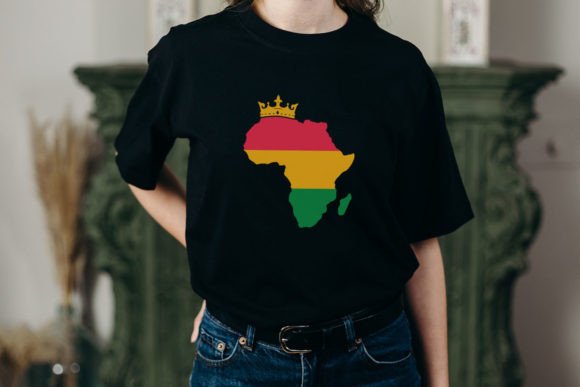
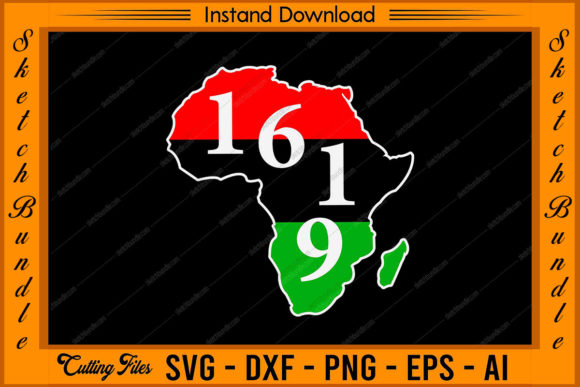
The 1619 Black History Month Africa Flag lands with immediate visual weight. It’s not minimalist—it leans into symbolic richness: layered pan-African colors, intentional typography referencing 1619 as both anchor and call to reflection, and compositional balance that avoids clutter while honoring complexity. This isn’t clipart; it reads as a considered graphic design asset, one that supports narrative depth rather than just decorative flair. For clients seeking authenticity—not trend-chasing—the mood is dignified, educational, and quietly powerful.
Where It Shines in Real Client Work
In practice, the 1619 Black History Month Africa Flag excels where emotional resonance meets functional flexibility:
- Product mockups: Stands out beautifully on mug, tote, and notebook mockups—especially when placed front-and-center or wrapped around curved surfaces. Its contrast holds up well in sublimation previews.
- Cricut projects and cutting machine workflows: The included SVG files are cleanly layered, with no stray anchor points or hidden layers. I tested it on a Silhouette Cameo 4—no auto-trace needed, clean cuts at 3” and 8” sizes.
- Social media graphics: Works strongly as a hero element in Instagram carousels or Pinterest pins. Paired with bold sans serif type (like Montserrat Bold or Poppins SemiBold), it creates instant hierarchy and thematic clarity.
- Packaging design and labels: When scaled to fit jar labels or sticker sheets, the core emblem remains legible—especially with the high-res PNG transparency option. Ideal for handmade business branding where every touchpoint must feel cohesive.
- Printable design collections: Fits naturally into themed bundles—think “Heritage Seasonal Printables” for educators or community centers. Its inclusion elevates a basic printable design pack into a purpose-driven commercial design offering.
Strategic Fit Across Design Disciplines
This asset bridges multiple creative needs without diluting intent. As part of a broader brand identity, it functions best as a supporting element—not a logo—but adds unmistakable context to posters, flyers, and event invitations. In editorial design, it anchors blog headers or newsletter banners with cultural specificity. For web design, it strengthens About or Community pages where storytelling matters more than sleekness. And for print-on-demand sellers, its file versatility means one purchase serves t-shirt design, mug wraps, and wall art—all without reworking assets.
Where Caution Is Warranted
Like any strong visual statement, the 1619 Black History Month Africa Flag demands thoughtful placement:
- Avoid using it at under 1.5” wide—fine details (like subtle line work or text kerning) begin to blur, weakening impact.
- Don’t drop it onto busy or low-contrast backgrounds (e.g., textured kraft paper or gradient overlays) without testing first. Its strength lies in clarity, not camouflage.
- It’s not suited for minimalist corporate branding or B2B tech visuals—its voice is too culturally specific and emotionally charged for those contexts.
- In layouts demanding strict visual hierarchy (e.g., infographics or data-driven reports), use it as a thematic accent—not primary information carrier.
Designer Notes: What to Test Before Client Delivery
Before locking this into a live project, I always run these checks:
- Test in black and white: Confirms legibility if color printing fails or accessibility requires monochrome fallbacks.
- Preview on light AND dark backgrounds: The PNG’s transparency handles both—but verify text contrast meets WCAG AA standards.
- Scale it down to 120px width: Does the central emblem retain recognition? (It does—just barely at 120px; recommend min 160px for digital.)
- Drop it onto 3 real product mockups: A ceramic mug, a cotton tote, and a matte poster—this exposes texture, bleed, and proportion issues fast.
- Check SVG editability: Open in Illustrator—confirm paths are ungrouped and editable, with no embedded raster elements.
- Pair with fonts: It harmonizes with strong sans serifs and confident display fonts—but clashes with delicate script or ultra-thin serifs. Use intentionally.
- Verify commercial license: Confirm usage rights cover client deliverables, resale items (Etsy products), and print-on-demand platforms. Reputable creative marketplace listings make this clear—and this one does.
Final Verdict: A Purpose-Driven Creative Asset
The 1619 Black History Month Africa Flag isn’t just another SVG design or PNG design. It’s a culturally anchored digital product built for real-world application—from Cricut projects to campaign visuals, from small business branding to editorial storytelling. Its value isn’t in neutrality, but in conviction. When aligned with the right client mission—education, heritage celebration, community visibility—it adds gravitas, cohesion, and quiet authority. For designers balancing craft, commerce, and conscience, it’s a rare find: a design bundle that delivers both aesthetic polish and ethical intentionality. Use it thoughtfully, test rigorously, and let it elevate—not decorate—your next meaningful project.