American Flag with Boston Terrier Scarf: Graphics for Crafts & Local Branding
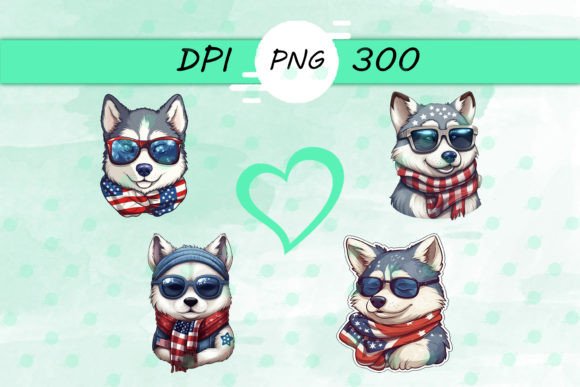
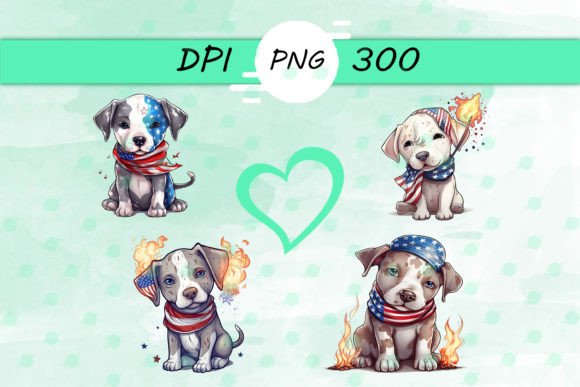
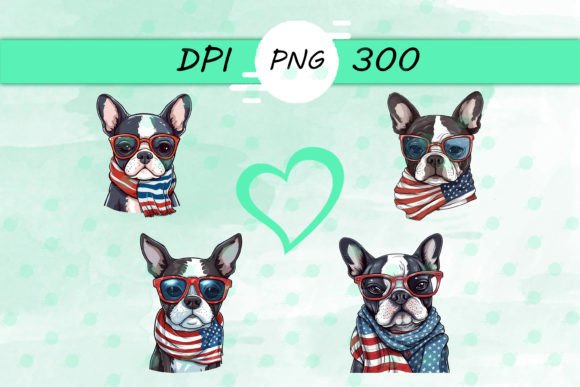
As a brand designer who’s developed visual identities for over 30 local businesses—from maple syrup producers in Vermont to candle studios in Savannah—I approached the American Flag with Boston Terrier Scarf with both curiosity and caution. My first impression? It’s unapologetically joyful, spirited, and full of regional charm—like a neighborhood block party meets Fourth of July picnic. The Boston Terrier wearing a red-and-blue scarf and tiny sunglasses adds warmth and approachability, while the flag background grounds it in patriotic familiarity. This isn’t sterile clipart—it feels handmade, friendly, and confidently American without veering into cliché.
The mood it creates is playful yet proud, local but inclusive, and festive without being overwhelming. It leans into organic authenticity—ideal for small business branding where personality matters more than polish. Think: a coastal Maine bakery launching “Liberty Loaf” sourdough, a Texas-based dog treat company releasing limited-edition Independence Day chews, or a Michigan soap maker crafting “Patriot Patchouli” bar soaps. It suggests a brand that values community, craftsmanship, and lighthearted celebration—not corporate uniformity.
Where This Graphic Design Asset Fits Real Local Business Needs
In practice, the American Flag with Boston Terrier Scarf shines when used as a decorative brand element, not a logo centerpiece. I recently integrated it into packaging design for a Boston-area children’s boutique launching a summer collection. We placed it subtly on hang tags, printed it at 25% opacity behind hand-lettered product names on gift boxes, and scaled it to 1.5 inches tall on thank-you cards tucked inside orders. Each use reinforced seasonal relevance while keeping the focus on their core brand voice: warm, thoughtful, and locally rooted.
It works exceptionally well for:
- Product labels—especially for food items, candles, or bath products where festive flair boosts shelf appeal
- Packaging accents—think corner flourishes on kraft mailers or die-cut sticker seals
- Hero graphics for social media campaigns around Memorial Day, July 4th, or Veterans Day
- Printable design elements like seasonal menu inserts, farmers’ market flyers, or boutique window clings
- Product mockups—it renders cleanly on mugs, tote bags, and aprons thanks to its high-resolution PNG format (3654 x 3654 pixels)
Because it’s delivered as a transparent-background PNG, it integrates smoothly into Canva templates, Adobe Illustrator workflows, and even basic web design projects—making it accessible for non-designers running handmade businesses or managing their own social media graphics.
What This Asset Does for Your Brand Presentation
Used intentionally, the American Flag with Boston Terrier Scarf strengthens several key pillars of professional branding:
- Stronger first impression: Customers scanning a crowded craft fair booth or online marketplace instantly recognize seasonal intent and local pride
- Better product recognition: When repeated across stickers, labels, and digital ads, it builds visual consistency—even without a formal logo
- Clearer visual hierarchy: Its bold shapes and contrast hold up beside serif fonts for ingredient lists or sans-serif headlines for promotions
- More consistent brand identity: Especially valuable for seasonal product lines that need to feel connected to your year-round offerings
- Improved customer trust: Hand-drawn energy signals authenticity—a critical factor for shoppers choosing between local and mass-produced goods
Where to Use It Carefully—And Why
This graphic design asset isn’t universal. It shouldn’t anchor formal corporate branding, appear on legal disclaimers, or dominate ingredient-heavy food labels where clarity trumps charm. Avoid placing it directly over low-contrast backgrounds (e.g., light blue text on pale sky), and never scale it smaller than 0.75 inches on physical packaging—it loses legibility and detail.
It also competes poorly with luxury minimalist brands or serious B2B service providers. If your skincare line uses muted tones and delicate typography, this illustration may disrupt your visual hierarchy rather than enhance it. Likewise, skip it on crowded packaging where every millimeter counts—like small-batch hot sauce bottles with dense compliance text.
Practical Brand Designer Notes You’ll Actually Use
Before committing to the American Flag with Boston Terrier Scarf in your next project, test these five things:
- Print it on real packaging mockups—not just screen previews—to assess color fidelity and edge sharpness
- Check black-and-white usage: Does the scarf pattern still read clearly in grayscale? Essential for cost-effective printing
- Preview it beside your brand fonts: Try it next to script fonts (for greeting cards), display fonts (for posters), and clean sans-serifs (for labels)
- Verify commercial licensing: Confirm it’s cleared for physical product sales—not just digital use—especially if you’re a packaging designer creating assets for client work
- Compare it with competitor visuals: Does it stand out authentically, or blend into generic holiday clipart?
Also note: While this is a high-res PNG design, it’s not vector-based—so avoid extreme scaling beyond its native dimensions. For scalable applications like large banners or embroidered patches, pair it with complementary SVG design elements instead of stretching it.
Final Thought: A Tool With Purpose, Not Just Decoration
The American Flag with Boston Terrier Scarf isn’t just another digital product from a creative marketplace. Used thoughtfully, it becomes part of your small business branding toolkit—supporting local business storytelling, elevating handmade business presentation, and adding memorable texture to marketing visuals. Whether you’re designing product labels for a seasonal jam line, building social media graphics for a pet-friendly café, or crafting printable design elements for a holiday pop-up, this asset delivers genuine, grounded charm. Just remember: great design isn’t about what you add—it’s about what serves your audience, your values, and your real-world business goals.